Driveway Sealing, Sealcoating, Seal Coating, Blacktop Sealing: Is There a Difference?
October 3, 2026 · 8 min read

Protect the pavement
Sealcoating is sunscreen for asphalt. It slows oxidation, keeps water out, and brings back the black surface. We do it in two coats, with proper prep, and we tell you when it is not the right move.
5.0 on GoogleFully insuredFree written estimates
Lancaster Lines & Asphalt
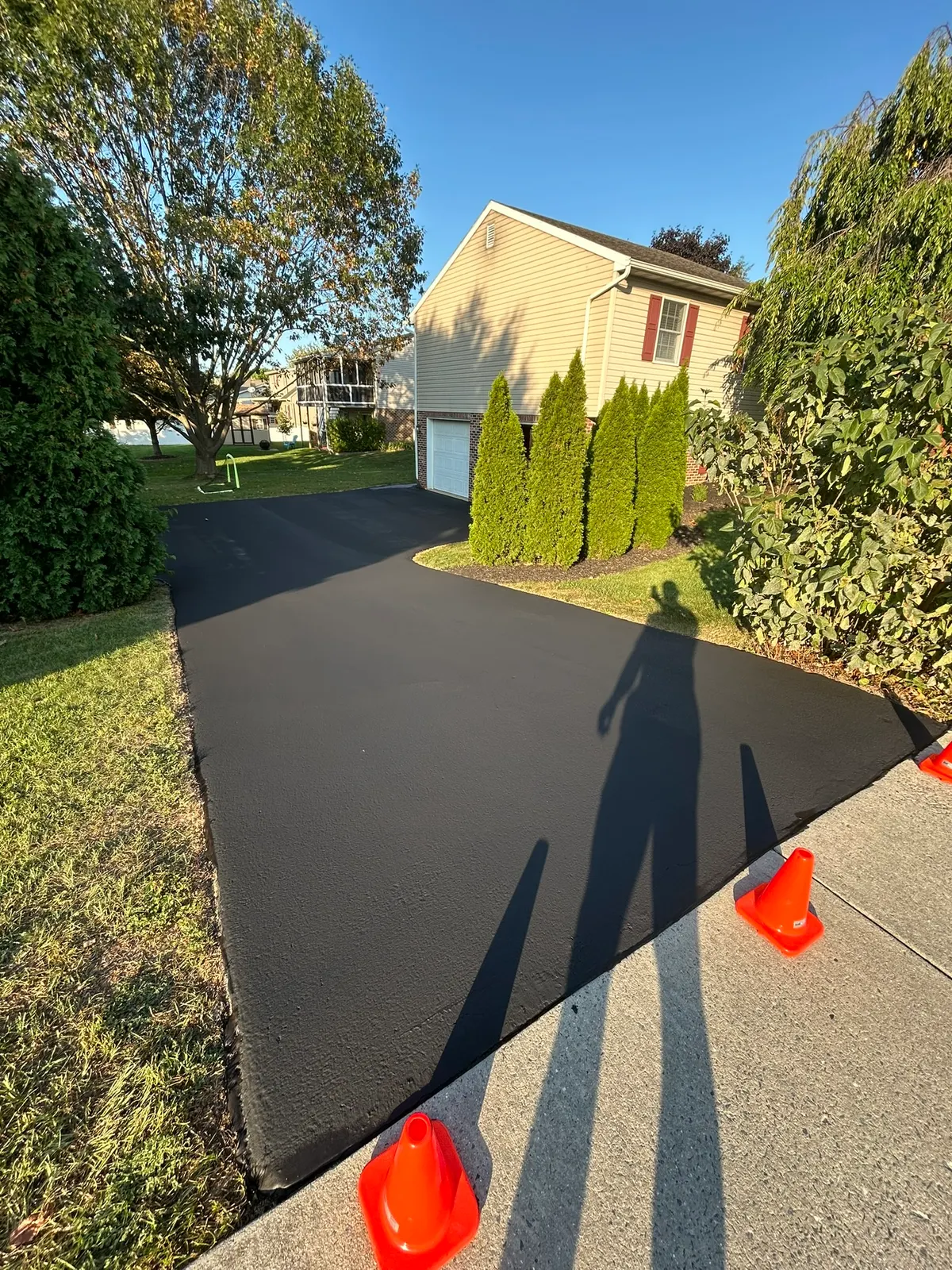
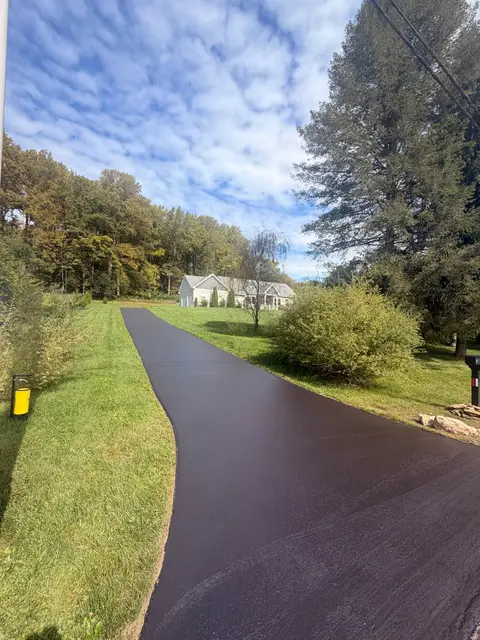
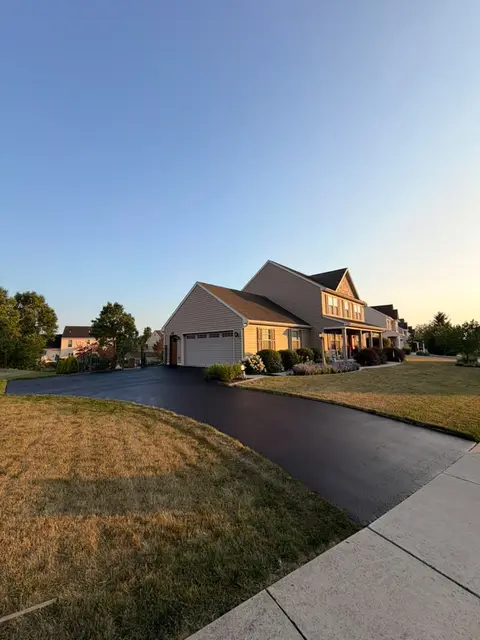
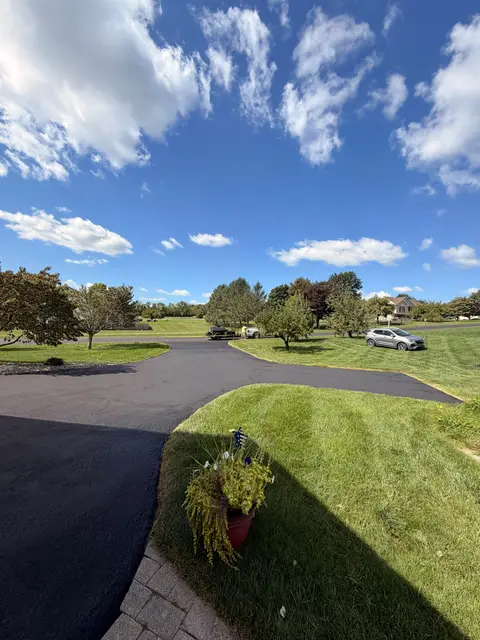
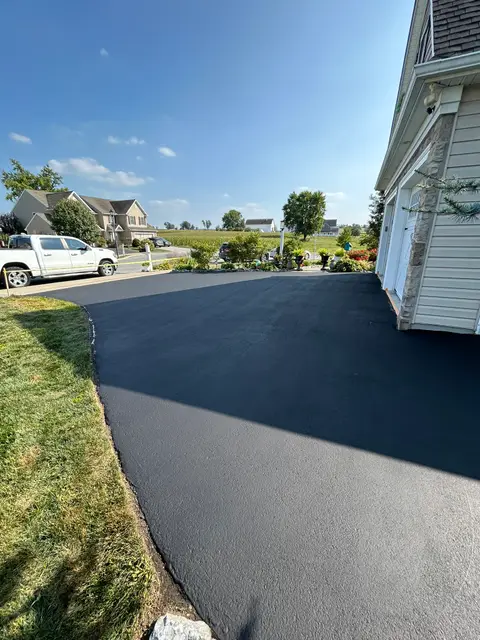
Sealcoating, also called asphalt sealing or seal coating, protects driveways and parking lots alike. Asphalt is made of stone held together by a petroleum binder. Over time the sun dries out that binder, rain and snow work their way into the surface, and salt and oil attack what is left. Sealcoating puts a thin protective layer on top, so the pavement does not have to take all of that directly.
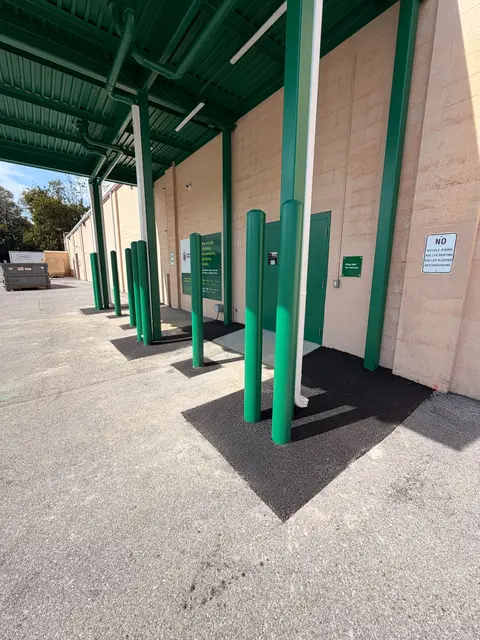
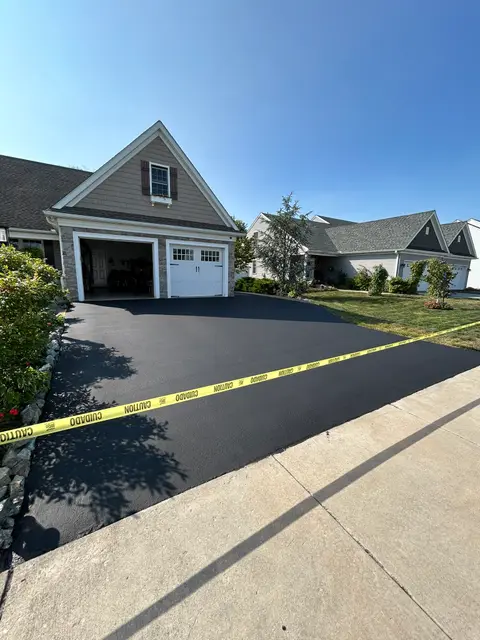
A good sealcoat job is mostly preparation. We blow the surface clean, scrape out the vegetation along the edges, treat oil spots with primer, and fill the cracks with hot rubber before anything is sprayed. Then we cut the edges in by hand with a brush so sealer stays where it belongs, and apply two coats instead of one thick one.
We also tell people no. If your asphalt is under a year old, it needs to cure before it is sealed. If it is crumbling from underneath, sealer will not fix it, and we will explain the better options. Sealcoating works when it goes on pavement that is still in decent shape.
What is included
Blowing, scraping and spot cleaning so the sealer can bond to real asphalt.
Oil spots treated with primer so the sealer does not peel off them.
Cracks filled with hot rubber before sealing, because sealer alone does not fill them.
Brush work along garages, sidewalks and lawns for clean lines.
Water-based emulsion with sand for traction, applied in two even coats.
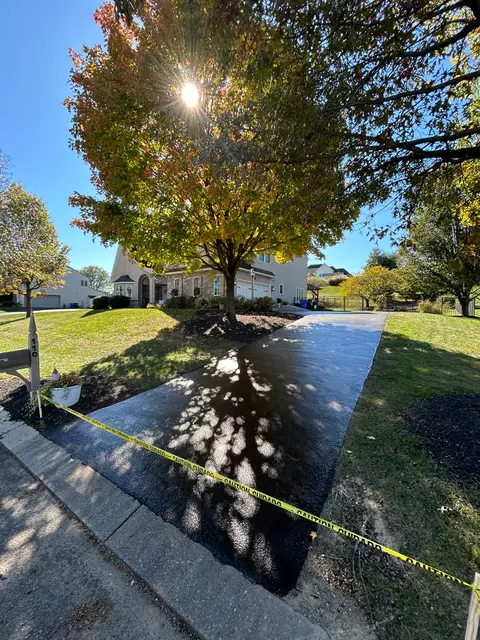
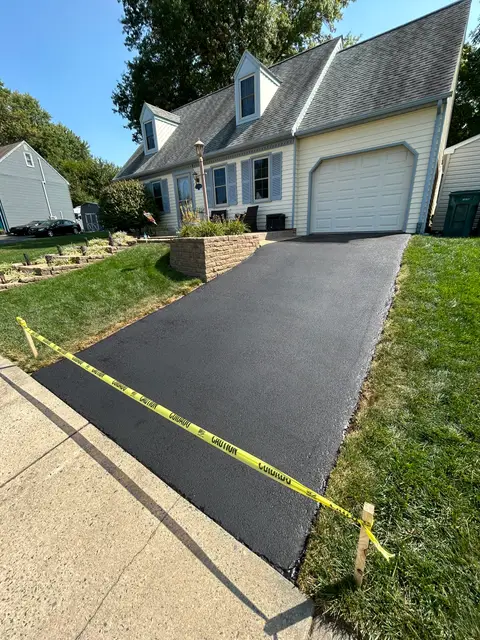
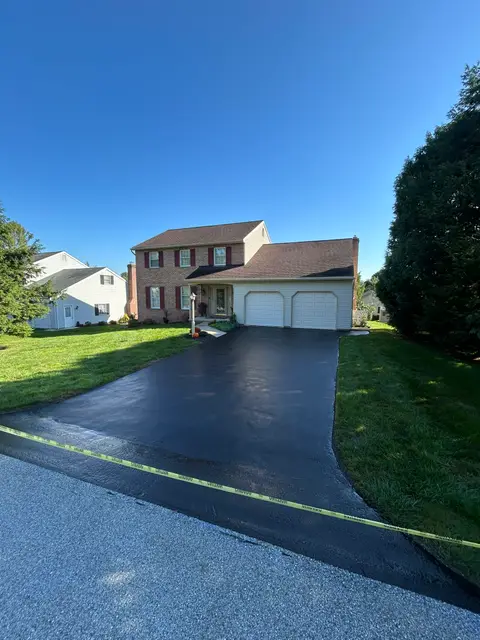
Cones and tape to keep traffic off, with clear instructions on when you can drive on it.
Check your property
How it goes
We walk the surface and decide whether sealcoating is the right call.
Clean, scrape, prime oil spots, fill cracks.
Hand-cut the edges, then apply two coats.
Keep traffic off for 24 to 48 hours, depending on weather.
Lancaster Lines & Asphalt work
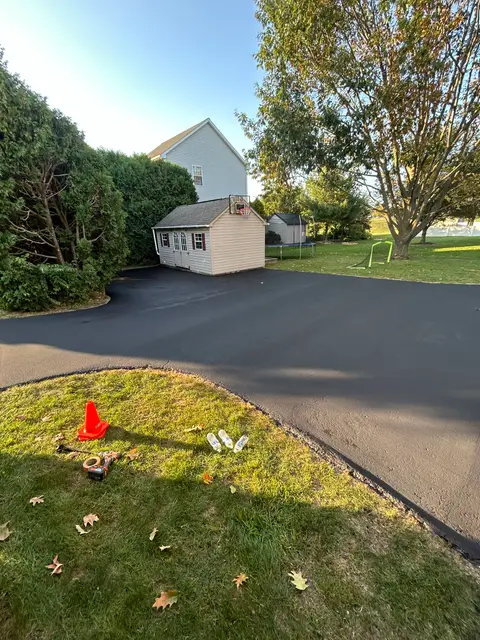
Questions for Lines & Asphalt
Keep going
 Driveway Sealing & SealcoatingResidential driveway sealcoating with crack filling, hand-cut edges and two coats.
 Crack Filling & SealingHot rubberized crack sealant, applied to clean, dry cracks, so water stays out all winter.
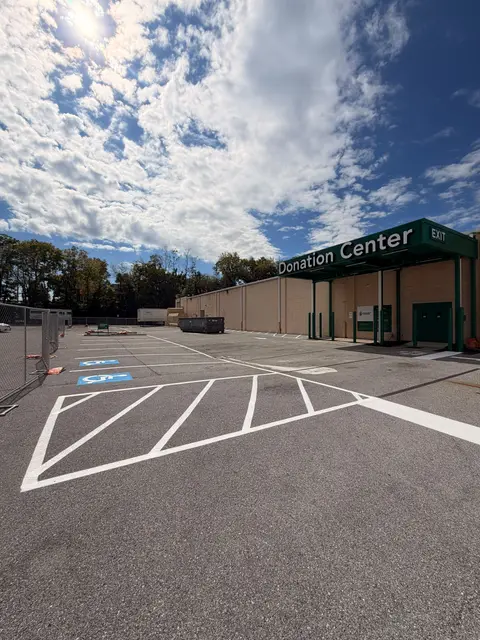
 Parking Lot StripingRe-striping and new layouts for retail, office, church, school and apartment lots, with ADA and fire lane markings.Parking Lot MaintenanceA simple yearly plan: fill cracks, patch holes, sealcoat and re-stripe in the right order.
Free estimate from Lancaster Lines & Asphalt
Tell us what you see and where the property is. We call back within one business day, look at the job, and give you a written price.