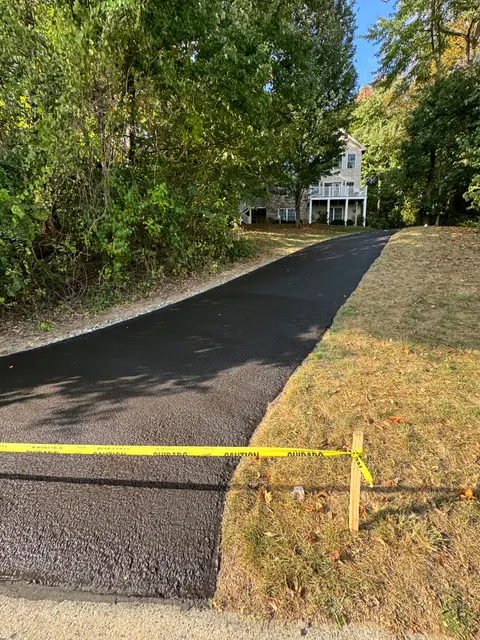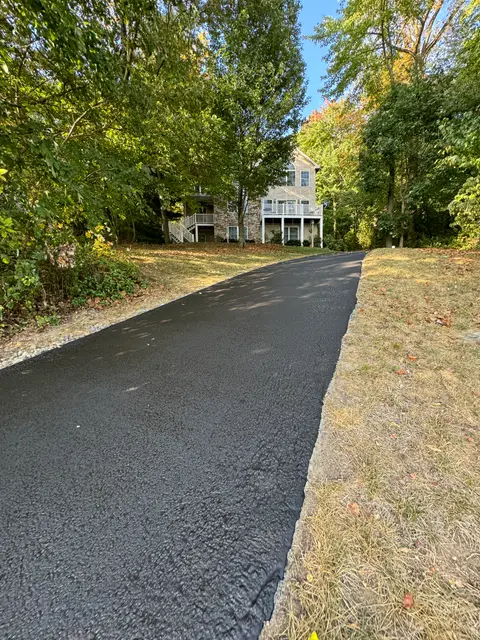
A pothole in your home driveway is an annoyance. A pothole in your business’s parking lot is a liability with a timestamp. Every day it sits there, customers are rolling tires into it, carrying coffee over it, and pushing shopping carts around it, and one of those interactions will eventually go wrong. If you own or manage commercial property in Lancaster County, this post walks through what that hole is actually exposing you to, what parking lot pothole repair costs and involves, and how to get it fixed without hanging a “CLOSED” sign on your front door.
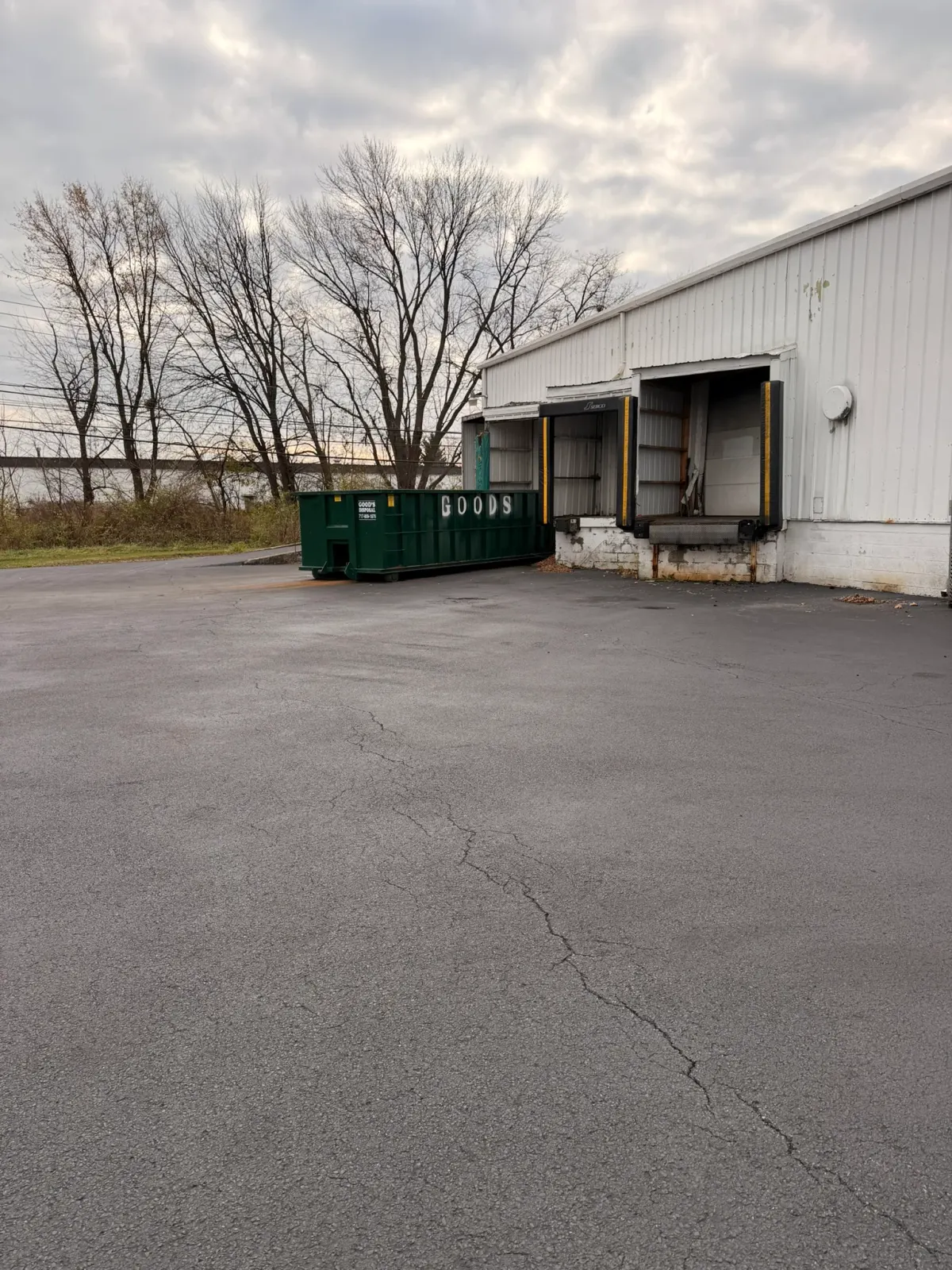
The Liability Problem Nobody Budgets For
Under Pennsylvania premises liability law, a business owes its customers, legally, “invitees”, a duty to keep the property reasonably safe and to fix or warn about hazards the owner knew about or should have known about. A pothole in your parking lot checks every box a plaintiff’s attorney is looking for: it’s visible, it’s documented by time (potholes don’t appear overnight; they grow for months), and it’s fixable for a few hundred dollars.
That last part matters most. When a customer trips in a pothole and breaks a wrist, the question in the room won’t be whether the hole existed. It will be: you knew about this hazard, repairs cost less than a set of tires, why was it still there? There’s no good answer to that question. Trip-and-fall claims routinely settle for five and six figures once medical bills, lost wages, and legal costs stack up. Against that, the price of a same-week patch isn’t a maintenance expense. It’s the cheapest insurance you’ll ever buy.
And document it. If you’ve scheduled a repair, keep the estimate and the date. Demonstrating that you identified the hazard and acted promptly is exactly the paper trail you want to have if something happens in the gap.
What Potholes Do to Your Customers’ Cars (and Your Reviews)
Before anyone trips, potholes collect a quieter tax: vehicle damage. A car dropping into a sharp-edged hole at parking-lot speed can bend a rim, pinch a sidewall, knock the alignment out, or damage tie rods and struts. Nationwide, pothole damage costs American drivers billions of dollars a year, and when it happens in your lot, some of those drivers will ask you to pay for it, and all of them will remember where it happened.
Even when nothing breaks, the impression does. Your parking lot is the first thing every customer touches, before your signage, before your staff, before your product. A cratered lot tells people the details here aren’t being handled, and customers extend that assumption to everything else you do. It’s the same reason faded lines cost you business: we covered that effect in our post on why fresh striping matters, and potholes send the message twice as loudly.
The ADA Angle Most Owners Miss
Here’s the exposure that surprises people: pavement condition is an accessibility issue. The Americans with Disabilities Act requires accessible parking spaces, access aisles, and the routes connecting them to the entrance to be stable, firm, and slip-resistant, with strict limits on surface changes in level. A pothole, heaved patch, or crumbling stretch in an accessible space or along the accessible route can put you out of compliance even if your signage and striping are perfect.
ADA compliance isn’t a “big box stores only” concern. Complaints can be filed by anyone, remediation deadlines are short, and unlike a slip-and-fall, you don’t get to argue you didn’t know, the standards are published. If your lot’s accessible spaces have pavement damage, they go to the top of the repair list, full stop. For the broader requirements, our plain-English guide to ADA parking lot requirements covers space counts, dimensions, and signage.
What Commercial Pothole Repair Involves (Done Right)
A permanent repair in a commercial lot is the same discipline we apply everywhere, scaled up: square-cut the damaged area back to sound asphalt, excavate and re-compact the failed base underneath, tack the edges, then place hot mix asphalt in lifts with full compaction between layers, and seal the perimeter seam. The Federal Highway Administration’s pavement research is blunt about the alternative: material dumped in a hole without edge prep and compaction is a temporary measure, not a repair.
That distinction matters more in a commercial lot than anywhere else, because your traffic is heavier, your turnover is constant, and a failed patch doesn’t just reopen, it reopens with delivery trucks driving over it. Details of our method are on the pothole repair service page; pricing works like our residential jobs, $400 minimum service call, with per-repair costs dropping steeply when multiple areas are handled in one mobilization, but commercial lots are quoted per project, and the quote is free.
How We Repair Your Lot Without Closing Your Business
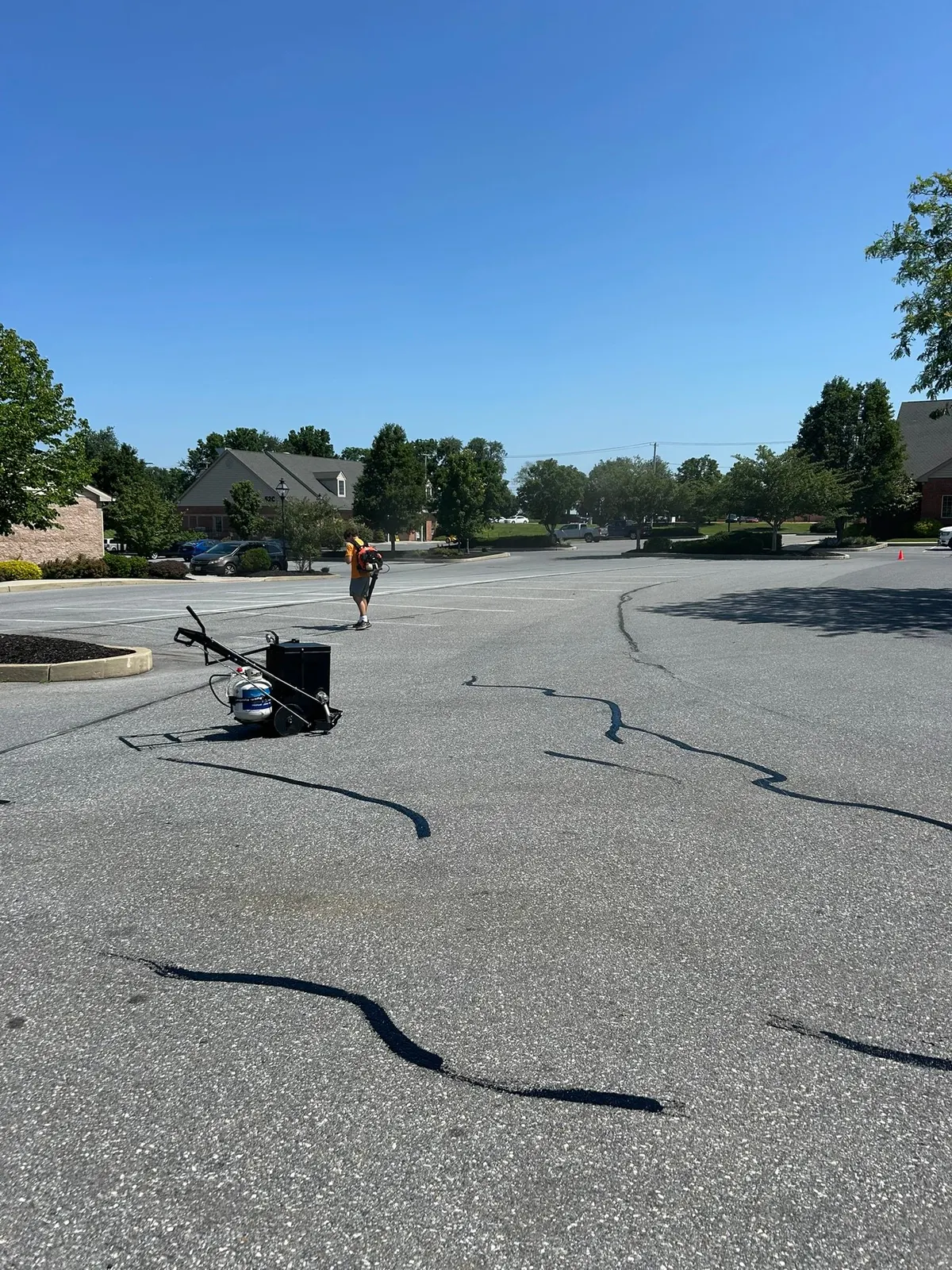
The number one reason owners postpone lot repairs isn’t money, it’s the fear of losing a day of business. You don’t have to. Commercial pothole work is almost always done in sections:
- Phased work zones. We cone off the repair area plus a working buffer and leave the rest of the lot open. Most pothole repairs affect a handful of parking spaces at a time, not the lot.
- Traffic routing. Entrances stay open, or we sequence the work so one entrance is always available. Signage and cones direct customers around the work zone.
- Off-peak scheduling. Early mornings, evenings, or your slow weekday, we schedule around your traffic patterns, not ours. Hot mix repairs are drivable within hours of compaction.
- Bundled scope. While a section is coned off anyway, it’s the cheapest moment to fill nearby cracks and refresh markings in the same zone, one disruption instead of three.
A typical multi-pothole repair on an active retail lot is a one-day event that most customers barely register. Here’s a good look at how fast a properly-equipped crew can turn a repair area back over to traffic:
A Simple Monthly Habit That Protects You
Between repairs, the strongest position a property owner can be in is documented vigilance. Once a month, have someone walk the lot with a phone: photograph the pavement condition, note anything new, a settling patch, a widening crack, a low spot that holds water for days. It takes fifteen minutes and it does two jobs at once.
Job one is early detection: pavement problems are dramatically cheaper in their first season, and a monthly walk catches them there. Job two is your defense file. If a claim ever does land on your desk, a dated record showing regular inspections and prompt repairs is the difference between “negligent owner ignored a known hazard” and “responsible owner with a documented maintenance program.” Your insurance carrier will also be noticeably friendlier about the second story. Ask us about recurring maintenance walk-throughs, we do them for several Lancaster County properties as part of an annual plan.
Patch, or Repave? The Commercial Math
For a lot with a few isolated holes and otherwise sound pavement, patching is the clear answer. But commercial lots age under heavy loads, and there’s a tipping point: when potholes keep appearing across the lot, when previous patches are failing, when alligator cracking covers large areas, you’re no longer maintaining pavement, you’re renting time. Our guide to pothole repair vs. full repaving walks through the decision in detail, but the honest rule is: patch defects, don’t patch decline. We’ll tell you which one your lot has, even when the answer earns us a smaller invoice.
A 12-Month Plan for a Pothole-Free Lot
Potholes are manufactured by a known process: cracks let water into the base, Lancaster County’s dozens of annual freeze-thaw cycles expand that water by 9 percent over and over, and traffic collapses the weakened spots in spring. Since the process is known, so is the counter-program:
- Spring: walk the lot after the last freeze. Patch winter damage while holes are small, and prioritize accessible spaces and pedestrian routes.
- Summer: handle bigger scope, sectional repairs, sealcoating, restriping, in good weather, phased around your business hours.
- Fall: the money move. Professional crack filling before the first freeze locks water out for the entire freeze-thaw season. This one line item prevents most of next spring’s potholes.
- Winter: monitor. If a hole opens mid-season, a temporary cold patch keeps it safe and documented until permanent hot mix repairs resume in spring.
Budget-wise, a maintenance year (crack fill, spot repairs, touch-up striping) costs a small fraction of a neglect year (large patches, claims exposure, emergency work at emergency prices). Property managers who run this cycle simply stop having pothole problems.
Frequently Asked Questions
Am I really liable if someone trips in a pothole in my lot?
If you knew or reasonably should have known about the hazard and didn’t fix it or warn about it, very possibly, yes. Pennsylvania premises liability turns on notice and reasonableness, and a months-old pothole is hard to argue you didn’t know about. Talk to your attorney about specifics; talk to us about making the question moot.
Will I have to close my business during repairs?
Almost never. We work in coned-off sections, keep entrances open, and schedule around your peak hours. Most pothole repairs return the area to traffic within hours, and the rest of your lot stays open the entire time.
How fast can a pothole in an accessible space be fixed?
During paving season, typically within days, accessible-route damage goes to the front of the schedule because the compliance exposure is immediate. In winter we’ll stabilize it with cold patch right away and complete the permanent repair when hot mix is available.
A customer says our pothole damaged their car. Now what?
Document the location and condition, notify your insurer, and get the hole repaired immediately, both to prevent a repeat and to show good faith. Whether you reimburse the customer is between you, your insurer, and goodwill math; leaving the hole open while deciding is the one clearly wrong answer.
Can you fix potholes and restripe in the same visit?
Yes, and it’s the efficient way to do it, patch, crack fill, and parking lot striping in one coordinated, phased visit. One mobilization, one disruption, and the lot comes out looking finished instead of patched.
Fix It Before It Files Paperwork
If there’s a pothole in your lot right now, the clock is already running. We repair commercial lots across Lancaster County, from downtown Lancaster to Mount Joy, in phased sections, on your schedule, with honest quotes. Request a free assessment or call 717-808-1600. It’s a much better phone call than the one from an attorney.