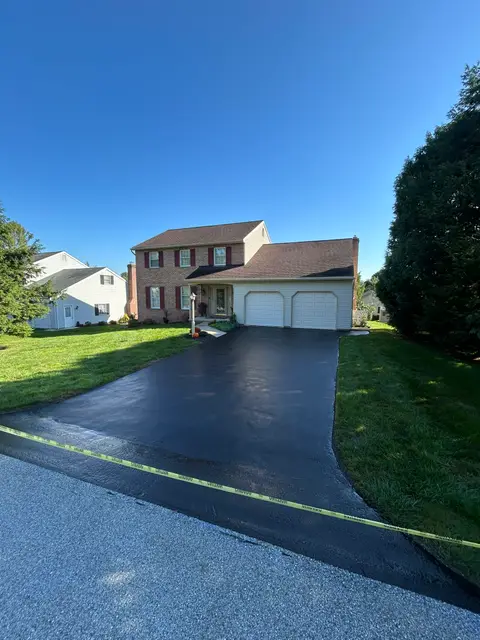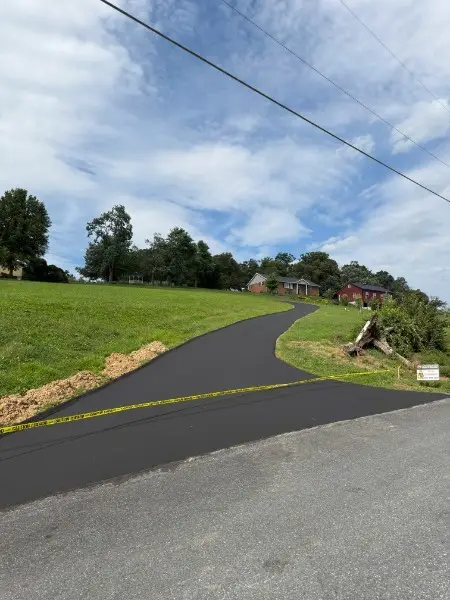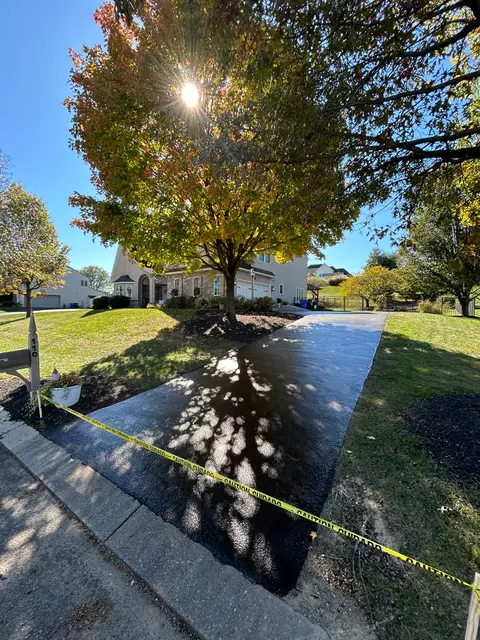
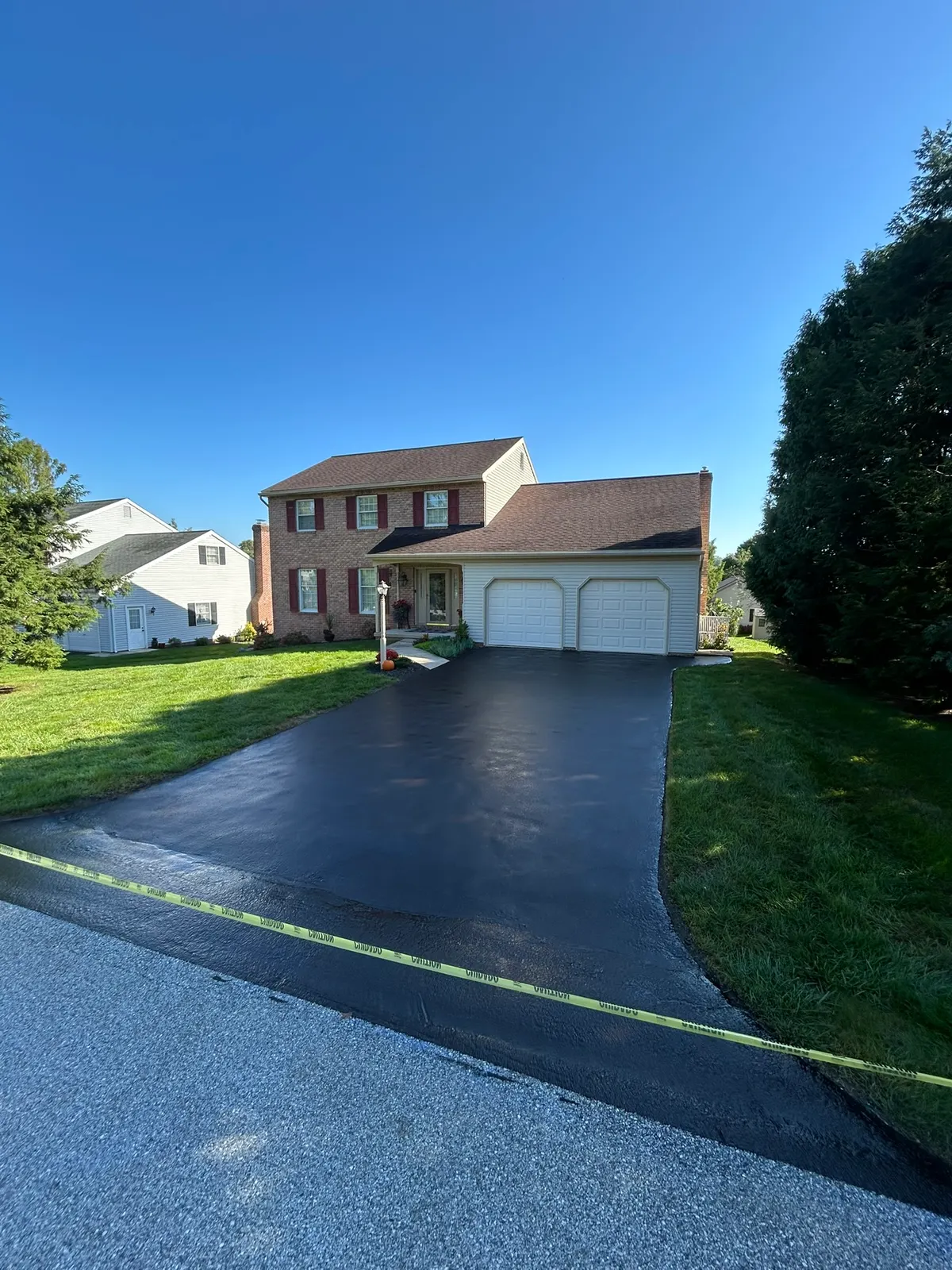
Your neighbor swears sealcoating is a scam. Your father-in-law insists it has to be done every single year or your driveway will crumble. The guy at the hardware store says the $30 bucket works exactly the same as what the pros use.
They can’t all be right. Actually, none of them are.
I’m Ruvim, owner of Lancaster Lines & Asphalt, and after years of sealing driveways and lots across Lancaster County, I’ve heard every sealcoating myth in circulation, usually right before I’m asked to fix the damage the myth caused. Here are the seven big ones, and what’s actually true.
Myth 1: “Sealcoating Is Just Cosmetic”
This is the most expensive myth on the list. Yes, fresh sealcoat looks great, deep black, clean, like the driveway got a suit tailored. But the looks are a side effect. The actual job is protection.
Asphalt is held together by a petroleum binder. Sun oxidizes that binder, water penetrates it, and Lancaster County’s freeze-thaw cycles pry it apart, water gets into the surface, freezes, expands roughly 9%, and works like a tiny crowbar all winter. Add the road salt your tires drag home every time PennDOT brines Route 30, and unsealed asphalt here ages in dog years.
Sealcoat is the sacrificial barrier that takes that abuse instead of your pavement. We covered the full mechanics in What Is Sealcoating and Why Does It Matter, the short version is that it’s maintenance, not makeup.
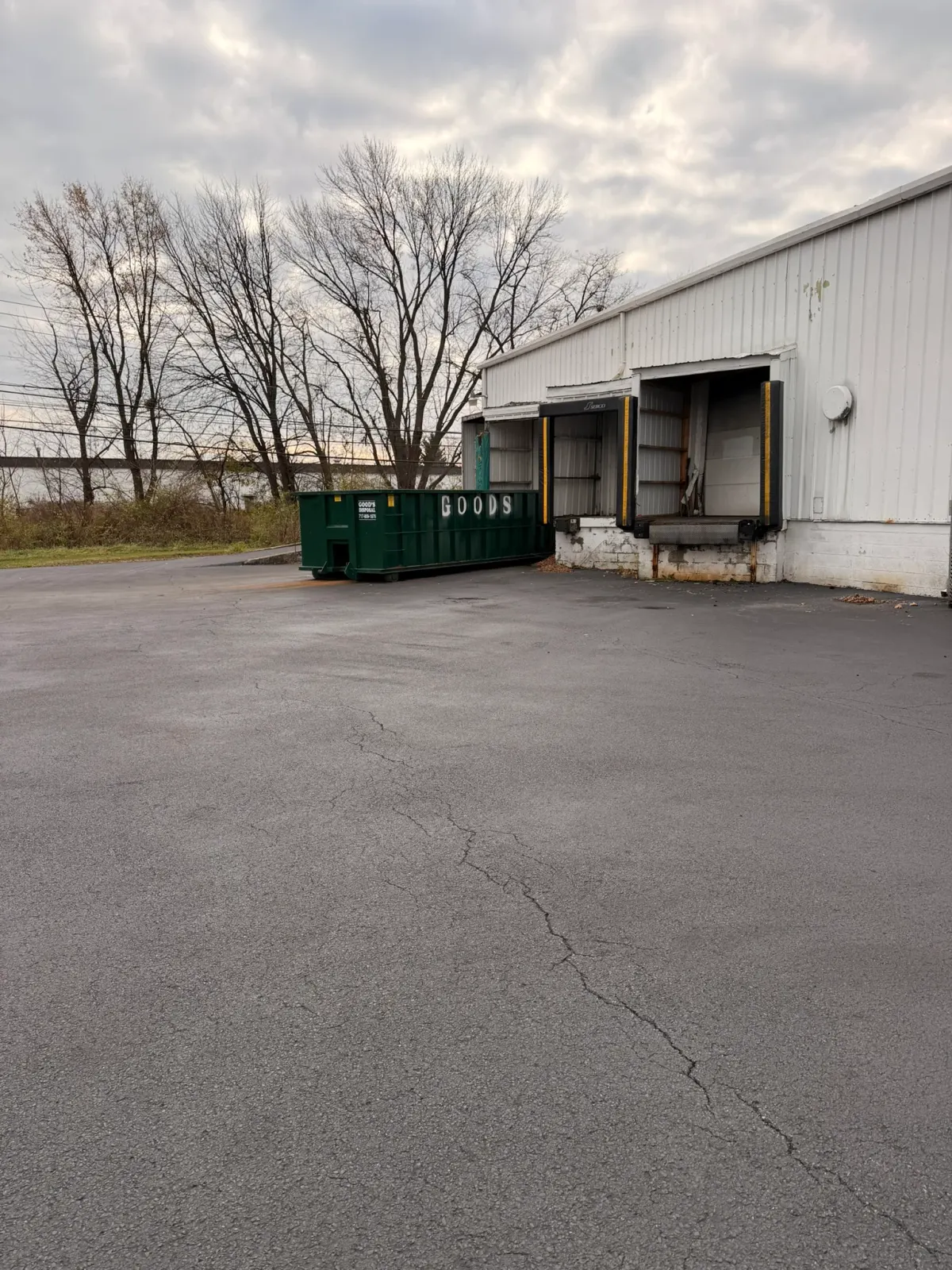
Myth 2: “You Have to Sealcoat Every Year”
You’d think a sealcoating company would love this myth. We don’t, because it’s wrong in a way that eventually damages driveways and trust at the same time.
Sealer needs time to wear before you add more. Coat a driveway every year and you build up layers that don’t bond well to each other, and eventually the whole stack starts flaking off like old nail polish. That’s the one metaphor I’ll allow this section, and it’s accurate.
The right interval for most Lancaster County driveways is every 3–4 years. High-traffic commercial lots may need it more often; a lightly used driveway in good shape can sometimes stretch longer. If your driveway still looks black and sheds water, leave it alone. Anyone knocking on your door offering an annual sealing “program” is running a subscription service for their benefit, not your driveway’s.
Myth 3: “Sealer Fills Cracks”
Sealcoat is a surface film measured in fractions of a millimeter. A crack is a canyon by comparison. Pouring sealer over a crack does exactly one thing: hides it until the first rain.
Real crack repair means hot-pour rubberized filler, heated to around 400°F, pushed into the crack, bonding to both walls, staying flexible through winter so it moves with the pavement instead of splitting. That’s a separate process that happens before sealcoating, and it’s why our quotes list it separately. Our crack filling service exists precisely because sealer can’t do this job.
If a contractor quotes you sealcoating for a visibly cracked driveway without mentioning crack repair, they’re planning to paint over the problem. You’ll meet the problem again in spring.
Myth 4: “A Little Rain After Sealing Is Fine”
Fresh sealer is water-based. Rain within the curing window doesn’t just dimple it, it can rinse it right off the driveway and into your lawn, your gutter, and the neighbor’s opinion of you.
Sealer needs a dry surface going on and a rain-free window after, that’s why the curing rule is 24–48 hours before traffic, and why we watch the radar like farmers. If rain shows up in the forecast for your scheduled day, we reschedule. It’s annoying. It’s also the difference between a driveway that’s protected for years and a black puddle with your money in it.
So no, the crew that seals your driveway at 4 PM ahead of an evening thunderstorm isn’t brave. They’re just already paid.
Myth 5: “All Sealers Are the Same”
This one deserves the longest answer, because the difference isn’t just quality, it’s chemistry.
Coal Tar vs. Water-Based
For decades, coal tar emulsion was the default sealer in the eastern U.S. It’s durable, but it comes with baggage: coal tar sealants are a major source of PAHs (polycyclic aromatic hydrocarbons) in the environment. USGS research has linked coal-tar-sealed pavement to elevated PAH levels in nearby streams, ponds, and even house dust, and the EPA tracks PAHs as priority pollutants. Several states and municipalities have restricted or banned coal tar sealers outright.
We use water-based asphalt emulsion sealer with a sand additive for traction. It protects the pavement, handles Pennsylvania winters, doesn’t smell like a chemistry accident while it cures, and doesn’t wash PAHs toward the nearest creek. Lancaster County has a lot of nearby creeks. We’d like to keep them nice.
Pro-Grade vs. Store-Bought
Even within water-based products, the bucket at the big-box store and commercial-grade emulsion are different animals, solids content, additives, and application thickness all differ. That’s part of why DIY results rarely match pro results, which brings us to Myth 7 in a minute.
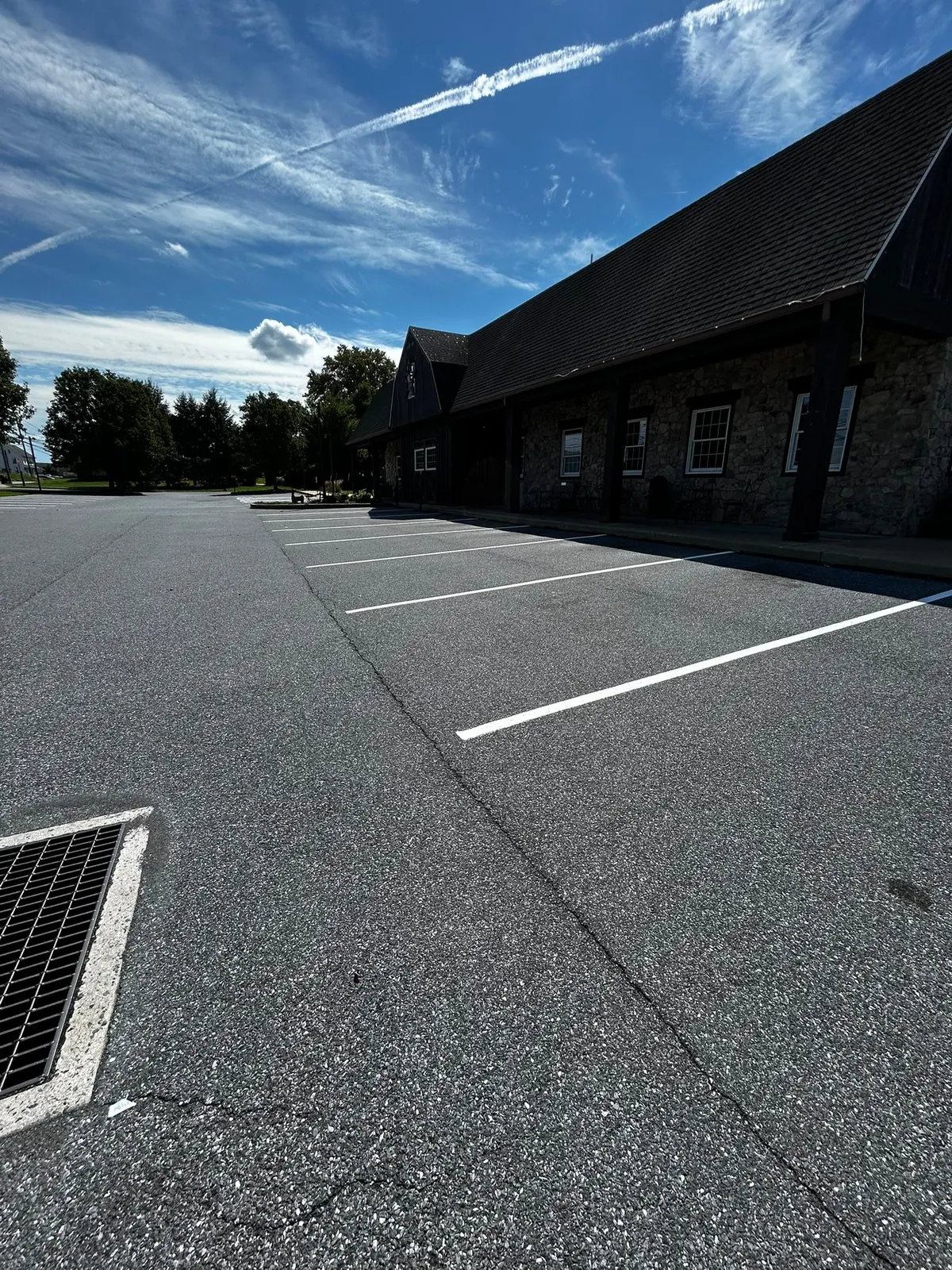
Myth 6: “Seal a New Driveway Right Away”
It feels logical: protect the new investment immediately, right? Wrong, and this myth actively ruins new driveways.
Fresh asphalt needs 6–12 months to cure. During that time it’s releasing oils and hardening. Sealcoat it too early and you trap those oils under a film, the sealer can fail to bond, stay soft, or peel, and the asphalt underneath cures wrong. If you paved this year, your job is to enjoy your smooth black driveway and do absolutely nothing to it.
This is also a handy contractor test. If someone offers to seal your six-week-old driveway, you’ve learned everything you need to know about them, for free.
Myth 7: “DIY Sealing Lasts Just as Long”
You can absolutely seal your own driveway. People do it every summer, and I respect the hustle. But “can” and “same result” are different claims.
Here’s what typically separates the two:
- Material: Consumer buckets are thinner, with lower solids content, spread thin to make the bucket math work.
- Prep: Most DIY jobs skip degreasing, crack filling, and real cleaning, which is most of what makes sealer last.
- Application: One squeegee coat of store product vs. two sprayed coats of commercial emulsion with hand-brushed edges.
- Lifespan: DIY jobs commonly fade or wear through in a year or two; a professional job is built to go 3–4.
Watch a careful application and you’ll see how much of the work is technique, not just material:
By the time you buy enough buckets to apply proper thickness, rent or buy the tools, and spend your Saturday doing it, the savings over a professional job shrink fast, and our minimum is $400, with most driveways at $400–700. If your weekends are worth anything to you, the math gets even friendlier. More on the payoff side in Top 5 Reasons to Sealcoat Your Driveway.
Bonus Myth: “Any Time of Year Works”
Sealer has a comfort zone: it wants surface temperatures above roughly 50°F and a dry, rain-free window to cure. In Pennsylvania, that gives you a real season, late spring through early fall, and a bunch of tempting shoulder weeks where the job is technically possible and practically a gamble.
Every November, someone calls asking if we can squeeze in a driveway before the holidays. Usually the honest answer is no. Cold nights stop the sealer from curing properly, the film stays weak, and by March you’ve got a patchy mess that has to be redone. A contractor who takes that job anyway is billing you for a coin flip.
The flip side: if a crew wants to seal your driveway in April drizzle or during a week of 45-degree nights, the enthusiasm isn’t expertise. Timing is part of the craft, the material only performs when the weather lets it.
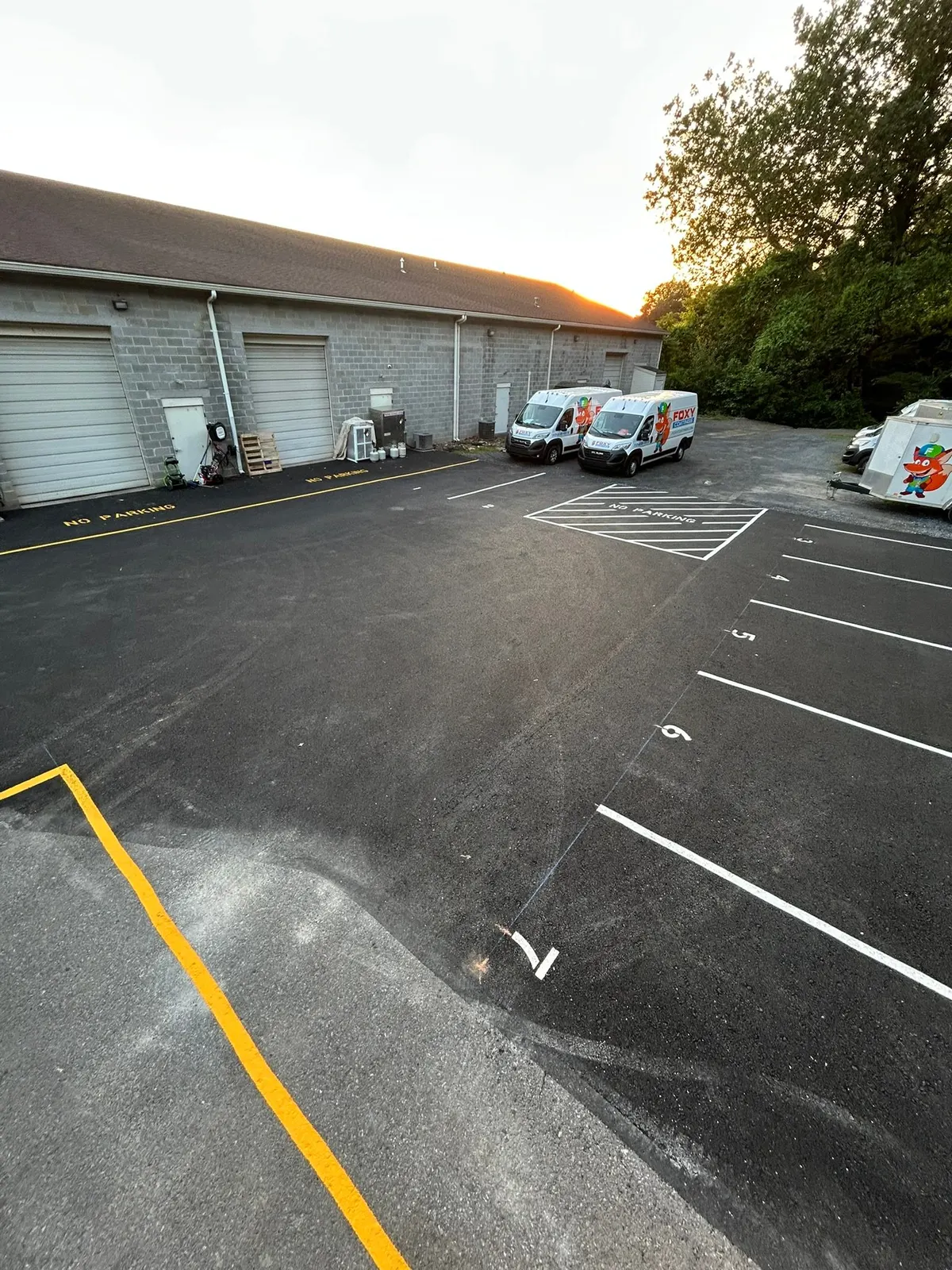
What the Myths Cost Lancaster County Homeowners
Every one of these myths has a price tag. Believing sealcoating is cosmetic means skipping it until the driveway needs thousands in repairs. Annual sealing means paying for buildup that peels. Sealing over cracks means paying twice. Sealing a brand-new driveway means paying to shorten its life. And trusting the $99 flyer means paying for tinted water, applied fast, by someone whose phone number expires in September.
We see the results of all of these across the county, from Quarryville up to Denver, PA, and the fix is always the same: honest assessment, proper prep, right materials, right timing. That’s the whole trade, minus the mythology.
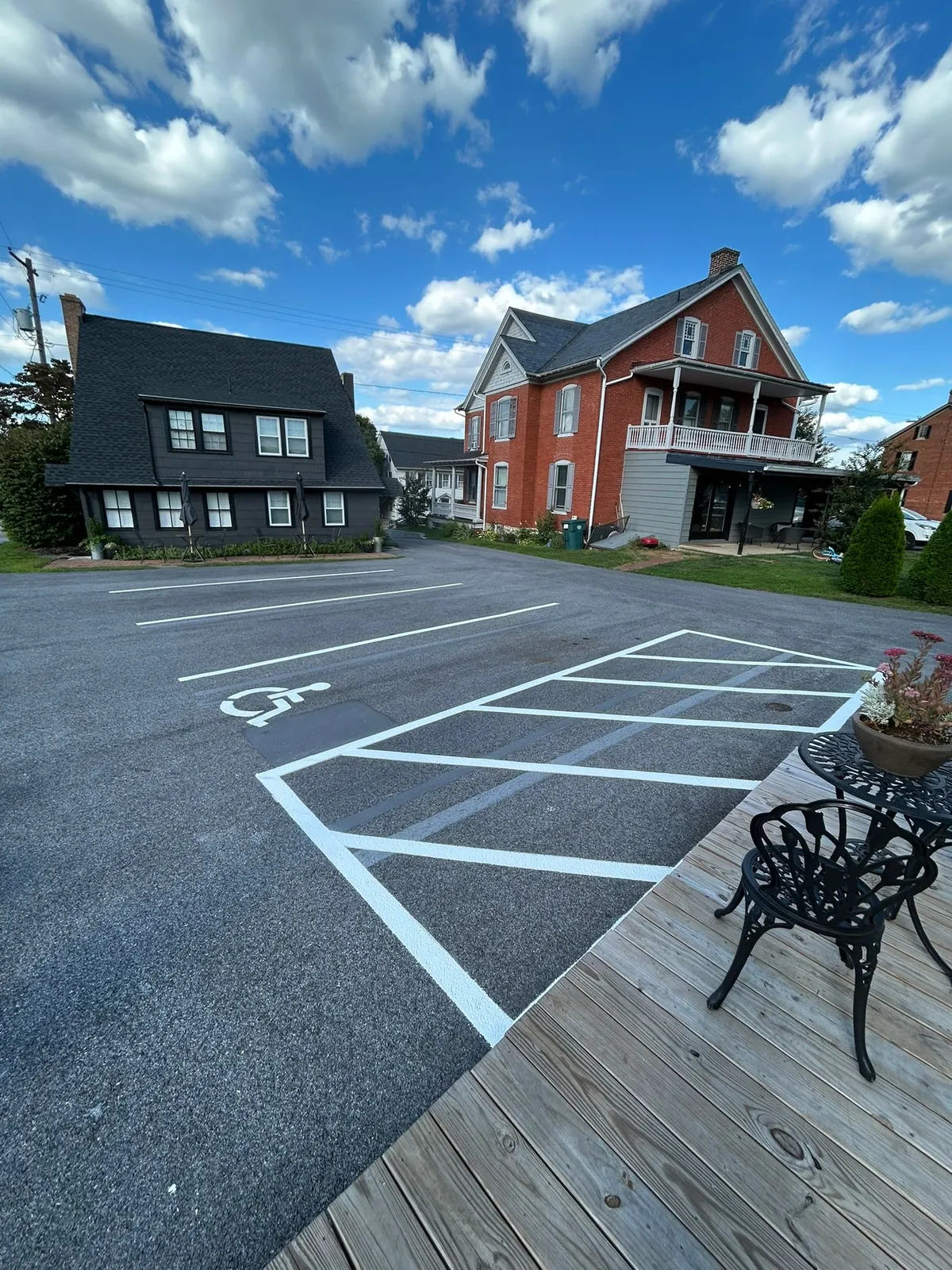
FAQ: Sealcoating Facts, Quick Version
How often should I really sealcoat my driveway?
Every 3–4 years for a typical Lancaster County driveway. Not annually. If the surface is still black and water beads on it, it’s not due yet, put the money toward literally anything else. High-traffic surfaces and commercial lots wear faster and may need the shorter end of that range.
How much does professional sealcoating cost?
Our minimum is $400, and most residential driveways run $400–700 depending on size and condition. Crack filling, heavy oxidation, and lots of hand-brushed edge work can add to it. Exact quotes are free.
How long before I can drive on a freshly sealed driveway?
24–48 hours for vehicles, depending on temperature and humidity. Foot traffic is fine sooner. Fresh sealer remembers every tire that touches it too early, so give it the full window.
What happens if it rains right after sealcoating?
Rain during curing can streak or wash off the sealer. That’s why we track the forecast and reschedule when rain threatens the curing window, a delayed job beats a redone one every time.
Is water-based sealer as durable as coal tar?
Modern water-based emulsions hold up well in Pennsylvania weather when applied correctly, two coats, proper prep, sand additive. And they come without the PAH pollution problem documented by USGS researchers, which is why we made the switch and haven’t looked back.
Skip the Myths, Get the Facts (Free)
If you’re not sure what your driveway actually needs, sealcoat, crack repair, or a year of being left alone, get a free estimate or call/text me at 717-808-1600. I’ll look at your pavement, give you a straight answer, and if the honest answer is “not yet,” that’s the answer you’ll get. See our sealcoating service page for what a done-right job includes.