Most people do not think about their driveway until something goes wrong. A crack shows up, then another. The black turns gray. One spring you notice a soft spot near the garage where the edge is crumbling. By then you are looking at repairs, and the repairs cost more than the maintenance would have.
Sealcoating is that maintenance. It is not magic and it is not right for every driveway, but for a driveway in decent shape it is the cheapest thing you can do to make the pavement last. Here are the five reasons we recommend it to homeowners across Lancaster County, along with the cases where we tell people to skip it.
1. It protects the asphalt from the sun
Asphalt is crushed stone held together by a petroleum binder. That binder is what keeps the surface flexible and waterproof. Sunlight slowly breaks it down. The binder dries, gets brittle, and starts to wash away, which is why an older driveway has a rough, gray surface with loose stones along the edges.
A coat of sealer sits on top of the pavement and takes the sun instead. It does not stop aging, nothing does, but it slows it down a lot. A driveway that gets resealed every few years keeps its binder far longer than one that gets nothing.
You can see this in your own driveway. Look at a spot that has been shaded by a tree or a house all summer and compare it to the sunny part. The shaded part is usually darker and smoother. That difference is what the sun does to bare asphalt.
2. It keeps water out, which matters more here than almost anywhere
Pennsylvania winters are hard on pavement, and the reason is water. Rain and melting snow seep into small pores and hairline cracks in the surface. When the temperature falls below freezing, that water turns to ice and expands. When it warms up, the ice melts and leaves a small void. Lancaster County sees dozens of these freeze and thaw cycles in a typical winter.
Over a few years, the voids grow, the cracks open up, the base underneath gets soft, and the surface breaks apart into potholes. If you want the full story of how that works, we wrote a separate piece on why driveways get potholes every spring.
Sealcoat fills the tiny pores in the surface and leaves a water-resistant layer on top. It does not replace crack filling, because a real crack needs to be filled with hot rubber, which we cover on our crack filling page. But on a surface with only hairline cracking, sealer slows the water down enough to make a real difference.
3. It resists oil, gas and road salt
Cars drip. Even a well-maintained car leaves a little oil, transmission fluid or gas on a driveway over the years. Those fluids are petroleum products, and the binder in asphalt is a petroleum product too. Oil softens the binder and leaves a dark, soft spot that eventually turns into a hole.
Winter adds salt, which gets tracked in on tires and boots. Salt does not eat asphalt directly, but it speeds up freeze and thaw damage and leaves a white residue that makes the surface look dull.
A sealed driveway is much more resistant to all of this. Fluids sit on top of the sealer instead of soaking in, and you can wash most of them off. That is why we always treat oil spots with primer before sealing. If the sealer goes over an oily spot without priming, it will not stick, and you will see a peeled patch by spring.
4. It costs a fraction of what repaving costs
Here is the number that matters. Most residential driveways in Lancaster County cost between $400 and $700 to sealcoat, with $400 being our minimum job. A driveway needs this every three to four years. Over fifteen years, that is about four coats and a total somewhere between $1,600 and $2,800 for an average driveway.
Repaving a driveway is a different scale of project. It involves tearing out or overlaying the old surface, preparing the base, and bringing in new hot mix. It runs into the thousands of dollars, and the exact amount depends on size, base condition and access. Nobody gets out of a repaving job cheap.
None of this means sealcoating prevents repaving forever. Asphalt has a lifespan. But regular maintenance pushes that day years further out, and that is where the savings come from. The people who skip maintenance are not saving money. They are paying later, and paying more.
If you want to see how our pricing works in detail, including why we have a $400 minimum, read how much sealcoating costs in Lancaster, PA.
5. It makes the property look cared for
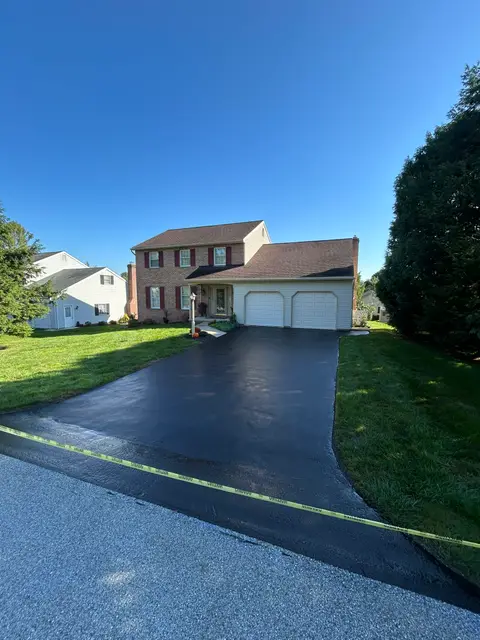
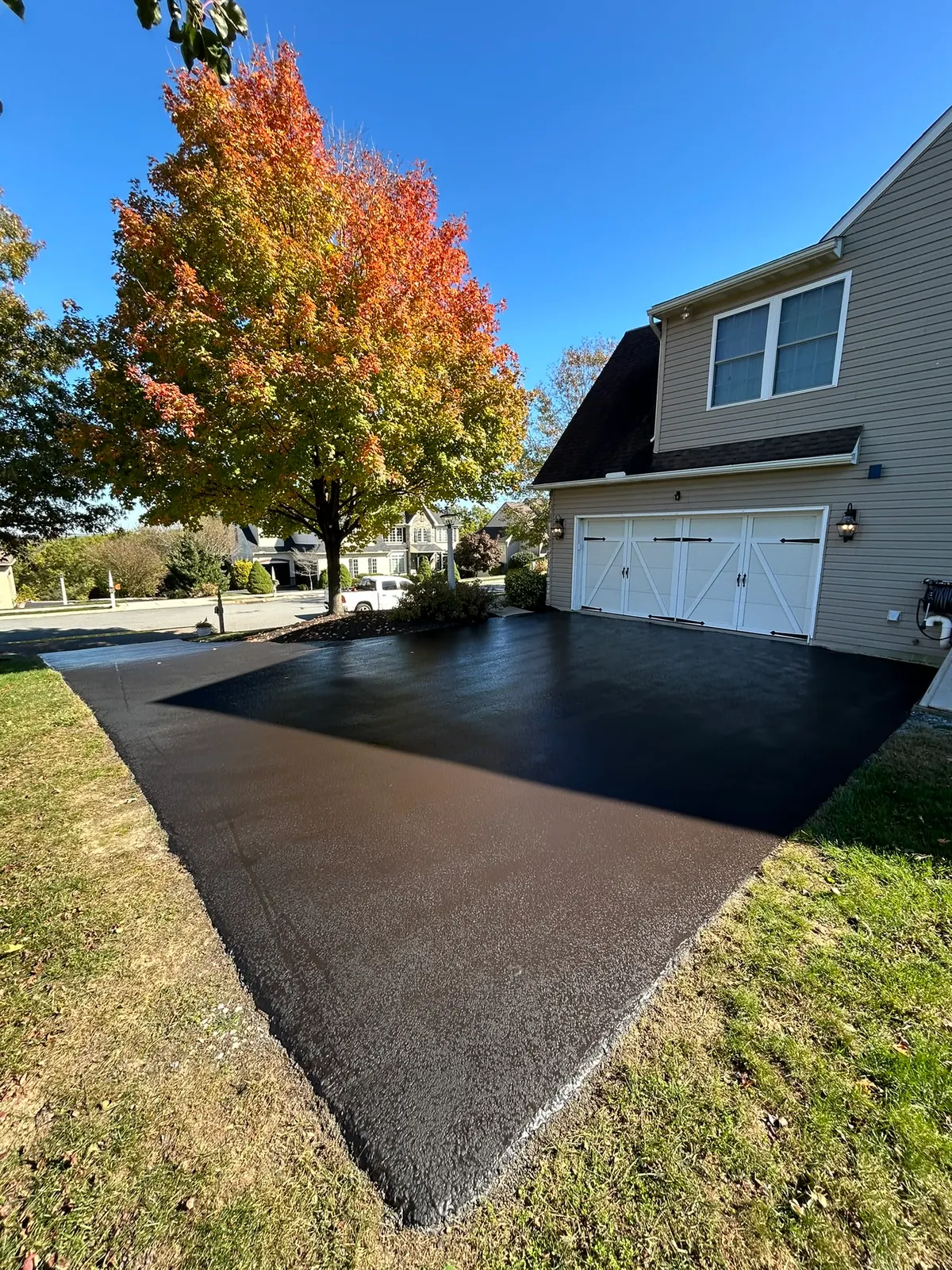
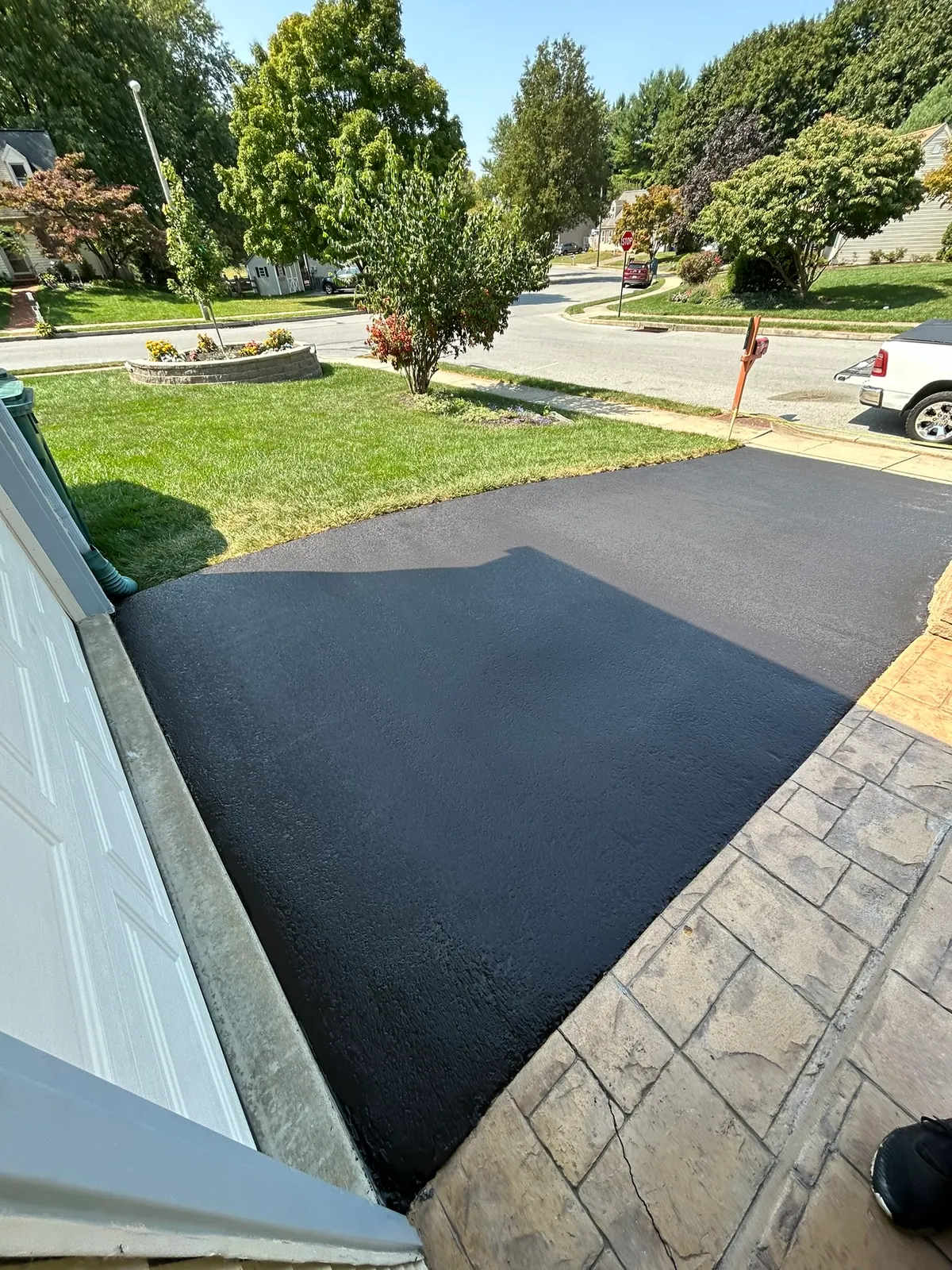
This is the reason people mention first and the reason we put last. A fresh black driveway next to green grass looks sharp. It frames the house. Faded gray asphalt with cracks and stains makes the whole property look tired, even when the house itself is in good shape.
We will not give you a percentage for how much it adds to resale value, because nobody can honestly say. What we can say is that people who list their homes, or who simply want the front of the house to look good for a party or a family visit, are often the ones who call us in spring and early summer.
A dark surface also absorbs sunlight, which helps snow and ice melt faster on a sunny winter day. That is a small thing, but you notice it when you are shoveling.
When we tell people not to sealcoat
We would rather lose a job than do one that does not make sense. Here is when we say wait or skip it.
- The asphalt is brand new. New asphalt needs six to twelve months to cure and release oils. Sealing too early traps those oils and the coating can fail.
- The surface is falling apart. If the driveway has widespread alligator cracking, soft spots and crumbling edges, the problem is underneath, and sealer will not fix it. A repair or an overlay is the right answer.
- It was sealed recently. Sealing every year does not make the driveway last longer. It builds up layers that crack and peel.
- The weather is wrong. Sealer needs a dry surface, temperatures above roughly 50 degrees, and no rain during the cure window. If the forecast is bad, we reschedule.
How we do it
A good sealcoat job is mostly preparation. We blow the surface clean, scrape weeds from the edges, prime oil spots, and fill any real cracks with hot rubber before sealing. We cut the edges by hand with a brush so nothing lands on your lawn, garage door or sidewalk. Then we spray two coats rather than one thick one. A thick single coat looks fine for a while and then peels.
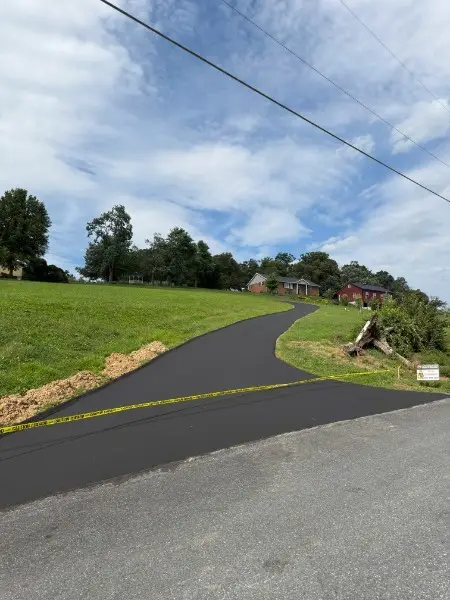
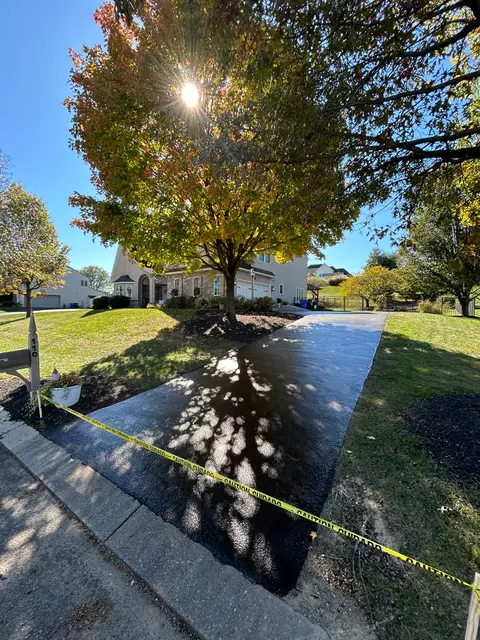
After that, you stay off the driveway for 24 to 48 hours, depending on weather. We leave cones and tape and give you a clear time. If you want the step-by-step version, it is in what actually happens when we sealcoat your driveway.
How to get the most from a sealcoat
A few small habits help.
- Fill cracks first. If you see cracks wider than a credit card edge, ask for them to be filled before sealing. Fall is the best time for crack filling.
- Clean up oil. Fresh oil spots are easier to treat than old ones. Soak them with kitty litter or an absorbent and sweep.
- Keep it clear. Pull weeds out of cracks and edges, and keep tree debris off the surface so it does not hold moisture.
- Be patient after sealing. Even after you can drive on it, avoid sharp turns of the wheel while parked for the first week or two. Fresh sealer can scuff.
- Plan the schedule. Put a reminder in your calendar for three or four years out.
Frequently asked questions
How often should I sealcoat my driveway?
Every three to four years for a typical residential driveway. Heavier use, deep shade or very sunny exposure can shift that a little, and we will tell you what we see when we look at it.
Can I do it myself?
You can buy sealer and apply it, but results vary a lot. Professional sealer is mixed differently from retail buckets, and the prep and application make most of the difference. Many DIY jobs end up streaky or peeling, and then someone has to fix the mess.
Is sealcoating worth it on an older driveway?
Often yes, as long as the surface is still solid. If it is crumbling, patching and repair come first, and sometimes replacement is the honest answer. We will tell you which one applies.
What does it cost?
Most driveways run $400 to $700, with a $400 minimum. Crack filling is extra when needed, and large driveways or ones that need a lot of prep cost more. We give a written price after we see the driveway or photos of it.
When is the best time to do it?
Late spring through early fall, when temperatures are steady and the surface is dry. We wrote more about this in the best time to sealcoat in Pennsylvania.
Ready to get yours looked at?
If you are in Lancaster County and want a straight answer about your driveway, we are happy to take a look. Send a few photos or ask for a visit. You get a written price, and if sealcoating is not the right move, we will say so. See our driveway sealcoating page for details, or request a free quote.